Navigating the Australian Curriculum: A Teacher's Perspective
By James Whitfield
21 June 2026
· 4 min read
Navigating the Australian Curriculum: A Teacher's Perspective
The Australian Curriculum (ACARA) provides a national framework for what students should learn across various subjects from Foundation to Year 12, aiming to ensure consistency and high standards in education across all states and territories.
For those of us in the classroom, the implementation and ongoing evolution of the Australian Curriculum represent a significant and often complex undertaking. It's not merely a document outlining content; it's a foundational blueprint that shapes our daily pedagogical decisions, influences assessment design, and ultimately impacts the learning trajectories of students from Perth to Brisbane. The curriculum's intent is to foster a cohesive educational experience, ensuring that a student moving from a school in Melbourne to one in Sydney encounters a broadly consistent set of learning expectations, even if the local flavour and specific examples might differ.
The Vision and the Reality: A Balancing Act
The vision behind ACARA is commendable: to provide a clear, comprehensive, and nationally consistent curriculum that prepares students for future challenges. This consistency is particularly valuable in a country as vast and diverse as Australia, where educational standards could otherwise vary wildly. However, the practical application in schools often presents a balancing act. Teachers are tasked with interpreting broad learning outcomes and translating them into engaging, effective classroom activities that cater to a diverse range of student needs and abilities.
Consider the challenge of teaching a complex historical concept, for instance. The curriculum might outline specific historical understandings and skills, but it's up to the individual teacher to design lessons that resonate with students, perhaps by drawing parallels to local events or using examples that are culturally relevant to their community. This requires not just subject matter expertise but also a deep understanding of pedagogical approaches that can bring the curriculum to life. It's not unlike preparing for the AFL grand final; you have the game plan, but the execution on the day requires adaptability and skill.
Curriculum Design and Teacher Autonomy
One of the ongoing discussions surrounding the Australian Curriculum revolves around the balance between prescribed content and teacher autonomy. While a national curriculum provides a necessary baseline, effective teaching often thrives on the ability of educators to tailor their approach to their specific student cohort and local context. The curriculum offers a 'what,' but the 'how' remains largely within the teacher's domain, allowing for innovation and responsiveness. This flexibility is crucial, as a one-size-fits-all approach rarely works in the dynamic environment of a classroom.
Assessment and Reporting: Measuring Progress
Assessment is inextricably linked to the curriculum. ACARA provides achievement standards that describe what students typically understand and can do at various stages of their learning. These standards are vital for guiding our assessment practices, ensuring that we are measuring what matters and providing meaningful feedback to students and parents. The challenge lies in designing assessments that are both valid and reliable, accurately reflecting student attainment against these standards, and doing so in a way that is manageable within the busy school calendar.
Reporting on student progress against the Australian Curriculum requires clear communication. Parents, much like when they're doing their weekly shop at Woolworths, want to understand what their children are learning and how they are progressing. Our reports need to articulate student achievement in relation to the curriculum's expectations, providing insights that are actionable and easy to comprehend. This often involves a blend of formative and summative assessments, from daily classroom observations to more formal tests, all designed to paint a comprehensive picture of a student's learning journey.
Professional Development and Support
Effective implementation of the Australian Curriculum hinges significantly on ongoing professional development and support for teachers. As the curriculum evolves, and as new pedagogical research emerges, educators need opportunities to deepen their understanding of its nuances and to refine their teaching strategies. This might involve workshops on specific learning areas, collaborative planning sessions with colleagues, or access to resources that exemplify best practices. Just as a Bunnings sausage sizzle is a community staple, professional learning communities are essential for sharing expertise and building collective capacity within schools.
Ultimately, the Australian Curriculum is a living document, subject to review and refinement. Our role as educators is to engage critically with its principles, adapt its framework to our unique contexts, and continually strive to provide the best possible learning experiences for our students. It's a continuous journey of learning and adaptation, much like preparing for the next school holidays in January, always looking ahead and planning for what's next.
Try Qwizflow free → qwizflow.com
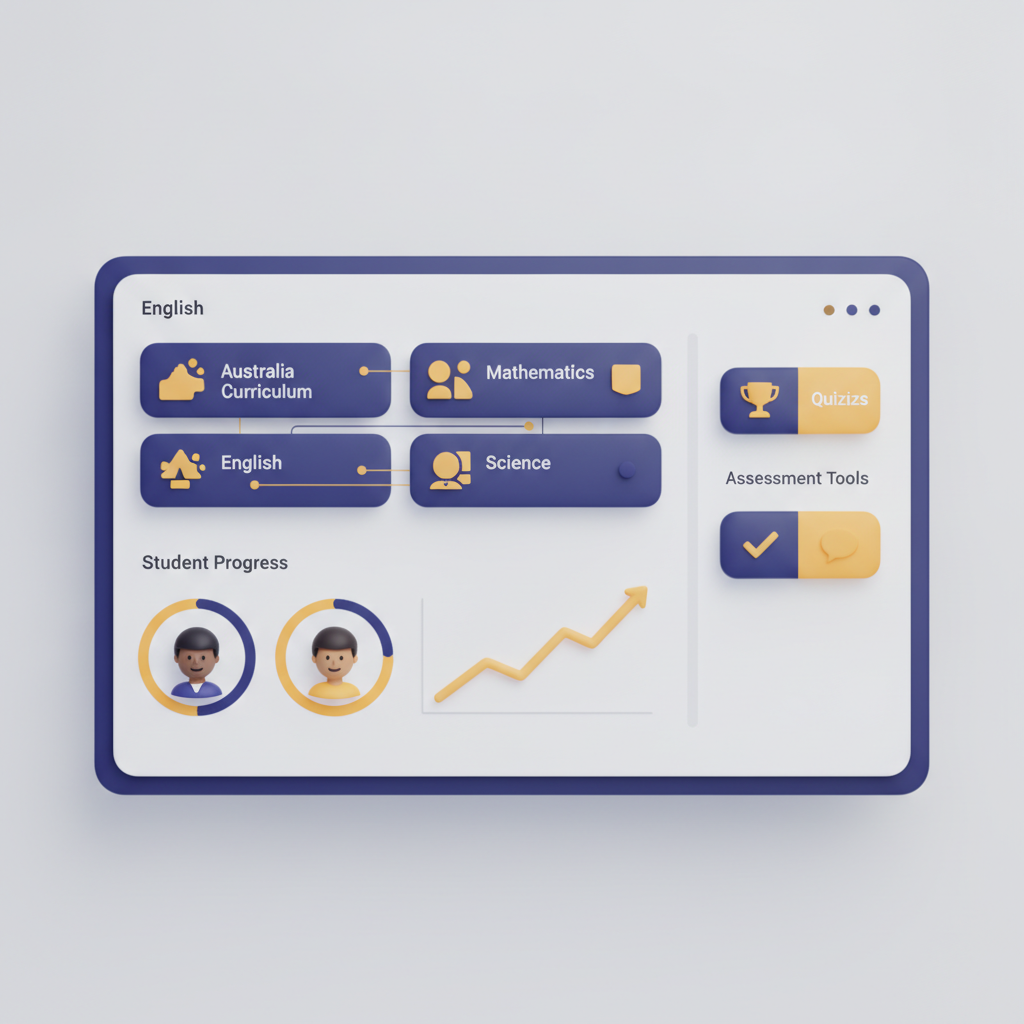
Qwizflow helps teachers streamline assessment and feedback, allowing more time for impactful teaching. Create engaging quizzes, track student progress effortlessly, and gain insights to tailor your instruction effectively.
For Teachers How Qwizflow works